Tanzania · Northern Safari Circuit

The Inside Guide to Africa's Greatest Safari

Fifty years of expertise. One family. Completely free.

Reserve Your Copy →
Chapter I

What Your Travel Agent Never Told You

“The savings alone could fund your entire second safari.”

For half a century, the insider knowledge of Tanzania's Northern Safari Circuit has been hoarded by high-street travel agents and luxury concierge services — passed on only to clients paying hefty retainer fees or booking through operators with eye-watering margins.

Our family has spent over fifty years on the ground in Tanzania — managing lodges, running tented camps, and forging direct relationships with every operator worth knowing on the Northern Circuit. We have watched thousands of travellers pay far more than they needed to for experiences that could have been booked directly, at a fraction of the cost.

The Safari Guidebook exists to change that. Everything we know — the best camps, the honest operator reviews, the migration timing, the insider booking routes — is now gathered in one place and offered entirely free.

Cut out the middleman. Go direct to the operators. Experience the same circuit that our family has guided for decades, but on your own terms.

Chapter II

The Northern Circuit

Three distinct ecosystems. One extraordinary journey.

01 — Serengeti

The Endless Plains

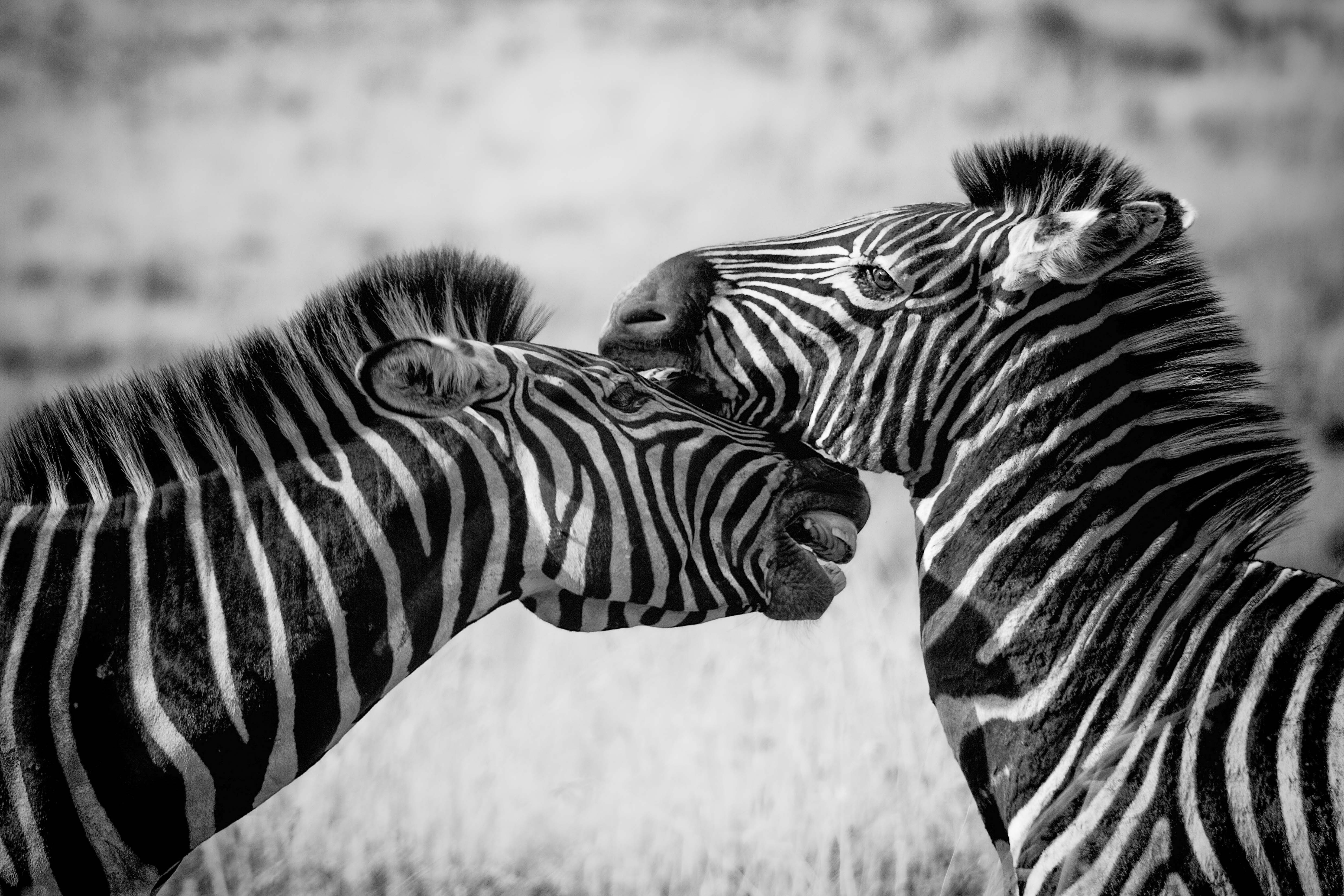
The Serengeti is the world's greatest wildlife spectacle — 14,763 square kilometres of open savanna where the Great Migration moves more than two million wildebeest and zebra in an ancient, unstoppable cycle. Big cat country. Lion prides sprawl across kopjes at golden hour. Leopard drape themselves over acacia branches. Cheetah sprint across the short-grass plains.

Best Time to Visit

July–October for river crossings; January–March for calving season on the southern plains.

Don't Miss

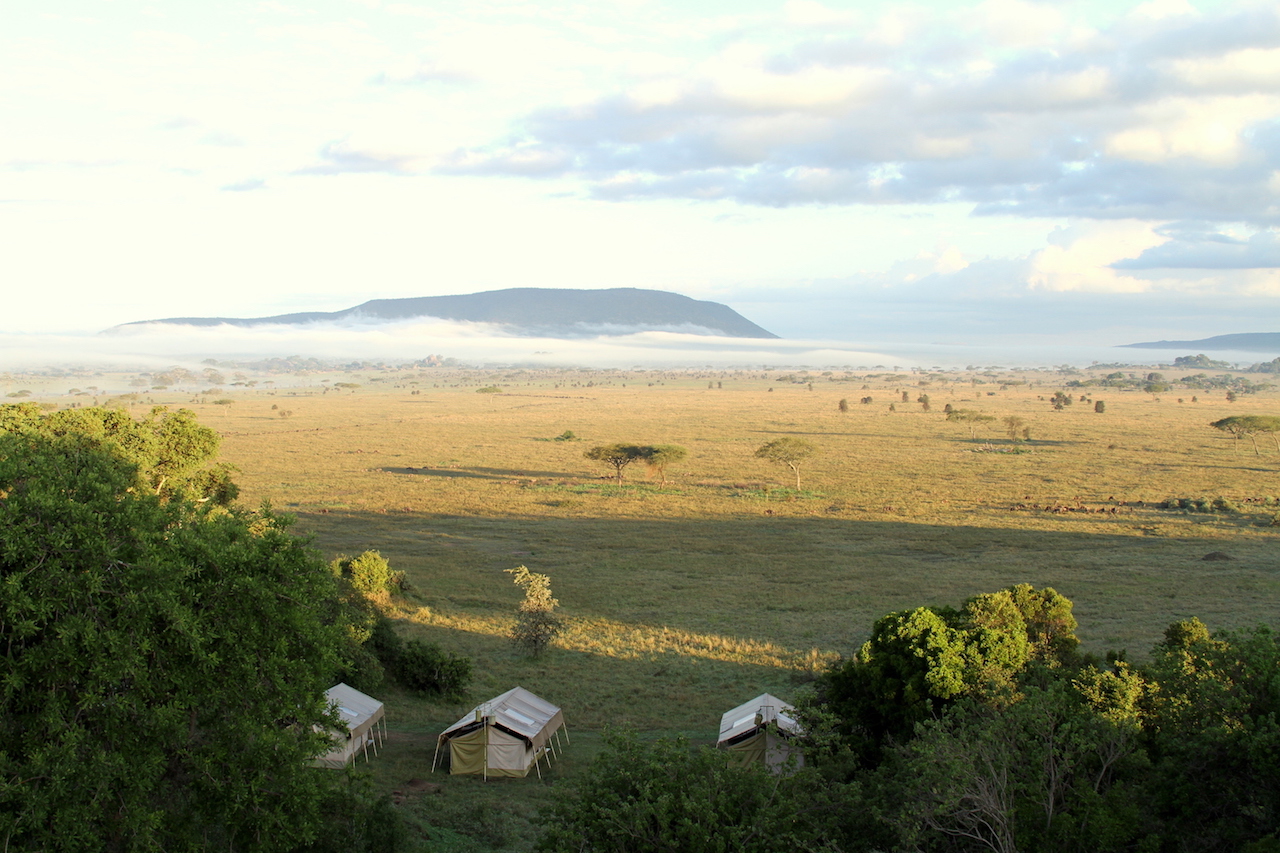
A full fly-camp night under canvas in the central Seronera valley.

Expert Tip

Avoid the central circuit lodges in peak season — the northern Lamai and Kogatende zones offer equivalent game with far fewer vehicles.

02 — Ngorongoro

The Crater

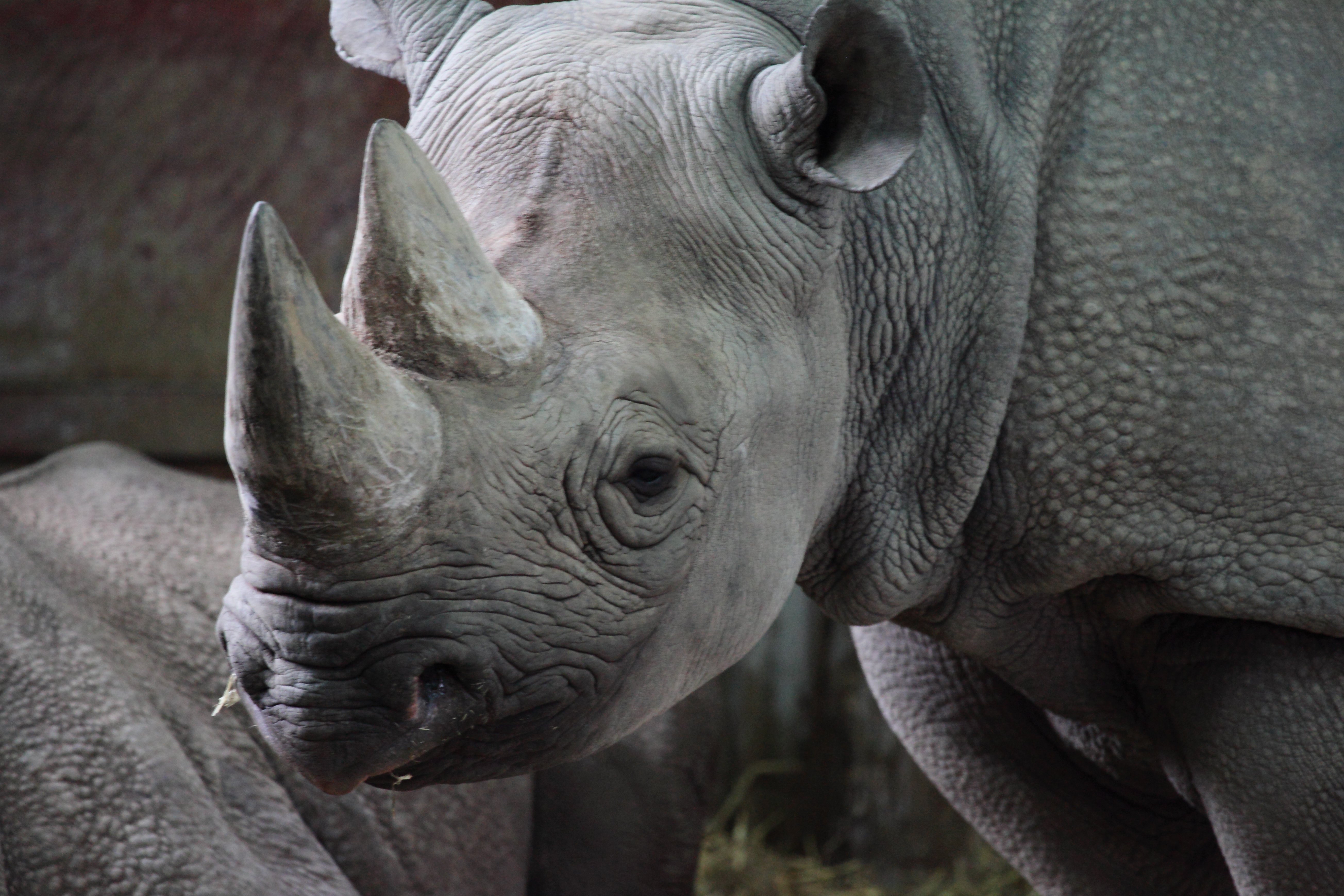
The world's largest intact volcanic caldera — a self-contained ecosystem where the Big Five share 260 square kilometres of crater floor. The density of game here is unlike anywhere else on Earth. Black rhino move through the reed beds. Lion prides are so relaxed around vehicles that cubs play at your wheels. The crater rim camps offer sunsets that redefine the word.

Best Time to Visit

Year-round; June–September for the clearest air and driest roads.

Don't Miss

Dawn descent to the crater floor before the day-trippers arrive from Arusha.

Expert Tip

Stay on the crater rim, not in town. The morning mist from a rim camp is worth more than any hotel amenity.

03 — Tarangire & Manyara

The Hidden Parks

Tarangire is elephant country — herds of two hundred strong move through ancient baobab forests to the river, one of the last permanent water sources in the dry season. Lake Manyara delivers tree-climbing lions draped over mahogany branches, and at the right time of year, the shallow alkaline shallows turn pink with thousands of flamingos feeding in unison.

Best Time to Visit

June–October for Tarangire's elephant concentrations; November–April for Manyara's flamingos.

Don't Miss

A night in Tarangire — the park after hours belongs entirely to the elephant.

Expert Tip

Most circuits skip Tarangire. Do not. It is the most underrated park in the entire Northern Circuit.

Chapter III

What You'll Learn

01

Build a World-Class Itinerary

Structure your safari the way experienced operators do — balancing movement with stillness, bush camp with luxury lodge, high season timing with low-season value. We break down the five-day, ten-day, and two-week circuit options, with honest assessments of accommodation tiers from budget mobile camps to exclusive private concessions. No padding, no upsells — just the architecture of a genuinely great safari.

02

Understand the Industry

The safari industry runs on a chain of margins that most travellers never see. We explain exactly how the money flows — from ground operator to DMC to high-street agent — and why the same week in the same camp can cost a client £4,000 or £9,000 depending on who they booked through. Understanding how pricing works is the first step to spending your money on the safari itself, not on layers of commission.

03

Book Direct & Save

We provide the contacts, the questions to ask, and the negotiation framework to book directly with the operators we trust. How to identify a legitimate ground operator. What to ask about guide-to-vehicle ratios, conservation fees, and carbon offsets. How to read a safari quote. What can and cannot be negotiated. This is the information that has always been behind the door of the travel agent's office — now it is yours.

Chapter IV

Five Decades in the Bush

Our family arrived in Tanzania before the Northern Circuit had a name. Over the following fifty years, we ran tented camps in the Serengeti, managed lodges on the Ngorongoro Crater rim, and built relationships with every meaningful ground operator on the circuit — from the family-run mobile camps to the large concession holders in the Lamai Wedge.

We have guided honeymooners and heads of state, naturalists and first-time safari-goers. We have been at the negotiating table when camps were bought and sold. We know which operators genuinely invest in their guides, which camps actually sit inside the best game corridors, and which lodges are selling a view rather than a wildlife experience.

Everything in this guidebook has been lived, not researched. It is the knowledge we would give to a close friend planning their first safari — or their fifth.
Your Safari Begins Here

Join the Early Access List

The guidebook opens to early subscribers one full week before public release.

No cost. Ever. This guide exists to serve the safari traveller.